
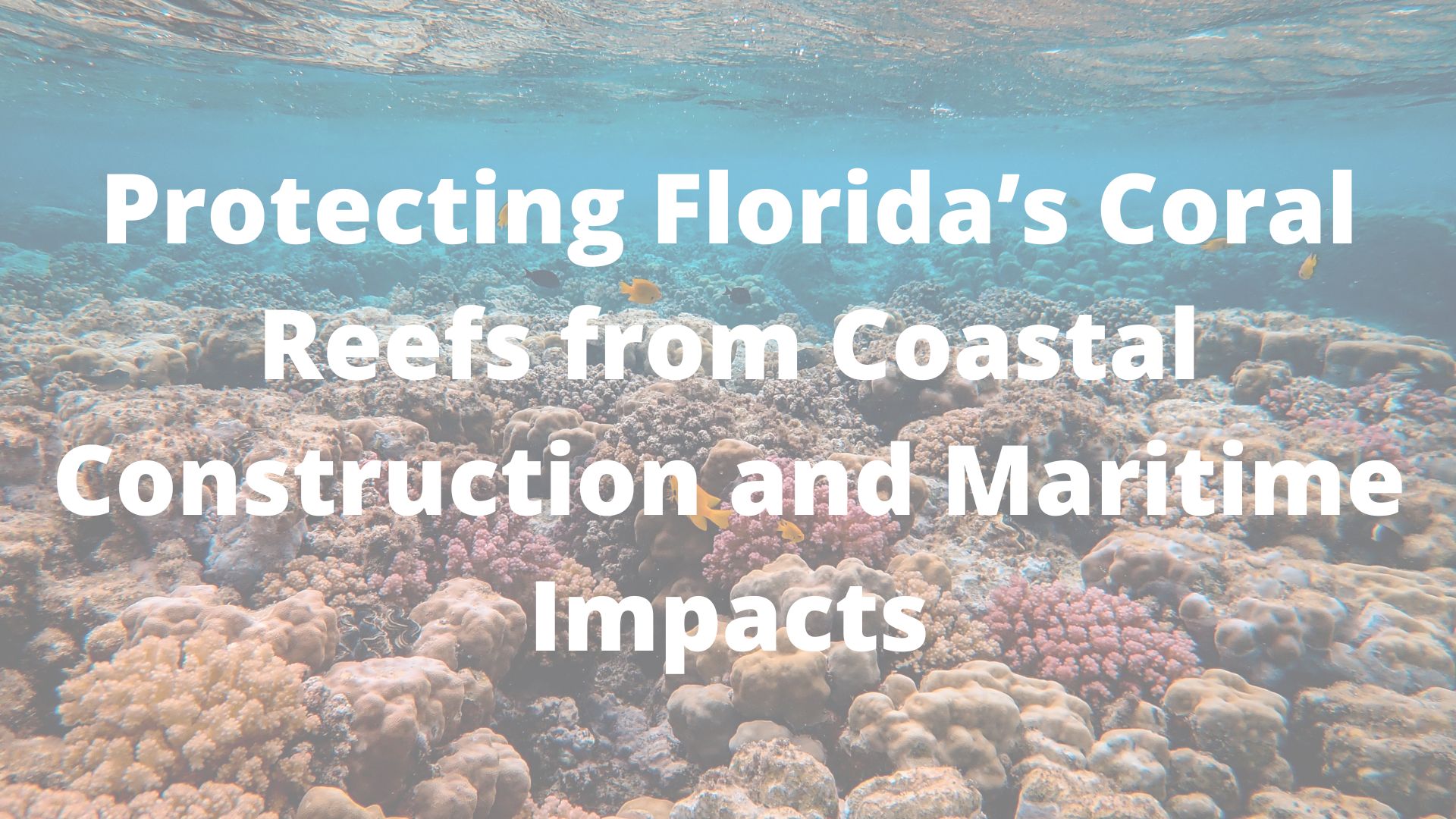
Florida’s coral reef ecosystem, particularly along the southeast coast, faces mounting pressure from human activity. To address this, the Florida Department of Environmental Protection (FDEP) developed the Maritime Industry and Coastal Construction Impacts (MICCI) Focus Area, a key component of the Southeast Florida Coral Reef Initiative (SEFCRI). The MICCI program works to reduce and manage reef damage caused by industrial, construction, and maritime operations.
This article summarizes the goals and activities of MICCI, highlights its importance for Florida’s reef health, and explores its broader implications for sustainable coastal development.
What is the MICCI Focus Area?
The MICCI Focus Area is a coordinated effort by FDEP, marine industry stakeholders, universities, and non-governmental organizations aimed at understanding and reducing the impacts of maritime and coastal construction activities on coral reefs. According to the FDEP, MICCI focuses on:
- Vessel anchoring and groundings near reef habitats
- Installation of infrastructure such as cables, pipelines, and outfalls in sensitive areas
- Coastal and beach nourishment projects that may indirectly affect reefs through sedimentation and turbidity
By addressing these threats, MICCI works to reduce both direct and indirect stressors on coral reef ecosystems, which are already under strain from disease and rising ocean temperatures.
Why It’s Important
Florida’s coral reefs are among the state’s most valuable ecological and economic resources. They provide habitat for thousands of marine species, support tourism and fishing industries, and protect coastal communities from erosion and storm surge. The Nature Conservancy estimates that Florida’s coral reef economy contributes billions of dollars annually through tourism, recreation, and fisheries.
However, coral reefs are highly sensitive to physical damage and sediment stress. Activities such as dredging, beach nourishment, and vessel anchoring can destroy coral structures and alter the marine environment. MICCI’s mission is to identify and promote practices that minimize such harm, ensuring the reef’s long-term resilience.
MICCI Objectives
According to the FDEP, MICCI’s main objectives include:
- Evaluating existing coastal construction and maritime practices and identifying safer, more sustainable alternatives.
- Developing standardized procedures for reef restoration, monitoring, and rapid response after impact events.
- Reviewing and recommending improvements to state and federal regulations governing reef protection.
- Encouraging compliance and increasing public awareness within the maritime industry.
These goals focus not just on mitigating current impacts, but on building long-term accountability and consistency in how construction and marine operations are conducted near reef environments.
Key Projects and Results
Since its inception in 2004, MICCI has implemented 28 projects aimed at improving reef protection practices. Some highlights include:
- Developing guidelines for rapid response and restoration of reefs damaged by vessel groundings.
- Identifying innovative construction technologies and sediment-control methods.
- Reviewing state and federal permitting processes to ensure reef protections are included.
- Supporting projects such as the Osborne Reef tire removal, which addresses one of the region’s most notorious artificial reef failures.
These projects aim to enhance coordination between agencies, improve regulatory consistency, and develop better information-sharing systems among scientists, regulators, and industry professionals.
Challenges and Opportunities
Balancing economic growth and environmental protection is one of the biggest challenges facing MICCI. Florida’s ports, tourism, and coastal infrastructure are vital to its economy, but construction and dredging can easily disrupt fragile reef systems. Monitoring, enforcement, and public compliance remain ongoing challenges.
However, opportunities exist to integrate sustainable practices into these industries. Examples include the installation of mooring buoys to prevent anchor damage, timing construction to avoid coral spawning seasons, and employing sediment-control barriers. MICCI’s research and outreach encourage such innovations while aligning economic activity with reef conservation goals.
The Bigger Picture
The MICCI Focus Area is part of a broader movement to build resilience into Florida’s coral reef management strategy. Local efforts like MICCI help reduce immediate, preventable sources of damage—allowing reefs a better chance to recover from global stressors like ocean warming and coral disease.
By working collaboratively across government, industry, and science, MICCI illustrates how localized management can contribute to global reef conservation goals.
Florida’s MICCI Focus Area represents a forward-thinking approach to reconciling the needs of maritime industries with the urgent need to protect coral reefs. Through research, regulation, and innovation, it aims to reduce the physical and ecological footprint of coastal construction while promoting environmental stewardship.
As development pressures grow, programs like MICCI will be essential in ensuring Florida’s coral reefs remain a vibrant and resilient natural asset for generations to come.

John Caravella, Esq
John Caravella Esq., is a construction attorney and formerly practicing project architect at The Law Office of John Caravella, P.C., representing architects, engineers, contractors, subcontractors, and owners in all phases of contract preparation, litigation, and arbitration across New York and Florida. He also serves as an arbitrator to the American Arbitration Association Construction Industry Panel. Mr. Caravella can be reached by email: [email protected] or (631) 608-1346.
The information provided on this website does not, and is not intended to, constitute legal advice; instead, all information, content, and materials available on this site are for general informational purposes only. Readers of this website should contact their attorney to obtain advice with respect to any particular legal matter. No reader, user, or browser of this site should act or refrain from acting on the basis of information on this site without first seeking legal advice from counsel in the relevant jurisdiction. Only your individual attorney can provide assurances that the information contained herein – and your interpretation of it – is applicable or appropriate to your particular situation. Use of, and access to, this website or any of the links or resources contained within the site do not create an attorney-client relationship between the reader, user, or browser and website authors, contributors, contributing law firms, or committee members and their respective employers.
References
- Florida Department of Environmental Protection. (n.d.). Maritime Industry and Coastal Construction Impacts Focus Area. Retrieved from https://floridadep.gov/rcp/coral/content/maritime-industry-and-coastal-construction-impacts-focus-area
- The Nature Conservancy. (2021). Resilience Action Plan for Florida’s Coral Reef 2021–2026. Retrieved from https://www.nature.org
- Reef Resilience Network. (2013). MICCI Local Action Strategy Phase I Final Report. Retrieved from https://reefresilience.org