
Construction in rural Florida presents a unique set of challenges that differ significantly from those found in urban and suburban developments. From environmental conditions to contractor shortages, rural projects often face heightened risks that can lead to costly delays, disputes, and litigation if not handled properly. Below are some of the most common construction issues impacting rural Florida property owners, contractors, and design professionals.
- Unlicensed or Underqualified Contractors
Rural areas often experience a higher incidence of unlicensed or improperly qualified contractors. Due to limited local oversight and fewer available professionals, property owners may unknowingly hire contractors who lack the proper licensing, insurance, or experience required under Florida law. These situations frequently result in defective work, abandoned projects, and limited legal recourse if contracts are poorly drafted.
- Site and Soil Conditions
Florida’s rural regions are especially prone to problematic soil conditions, including expansive clay, sandy soil, wetlands, and high water tables. These conditions can cause foundation failures, drainage issues, and structural instability if not properly evaluated before construction begins. Disputes often arise when contractors or engineers fail to conduct adequate site testing or ignore geotechnical recommendations.
- Permitting and Zoning Complications
Permitting in rural Florida can be deceptively complex. Properties may fall under agricultural zoning, conservation overlays, or special flood hazard areas. Delays or stop-work orders commonly occur when contractors misunderstand local zoning rules or attempt to bypass permitting requirements, leaving property owners exposed to fines and corrective construction costs.
- Construction Defects
Defective construction is a recurring issue in rural projects, particularly with roofing, drainage systems, septic installations, and foundations. Limited inspections, long-distance subcontractors, and budget constraints can all contribute to substandard workmanship. These defects often remain hidden until significant damage occurs, at which point disputes escalate quickly.
- Supply Chain and Labor Shortages
Rural Florida projects frequently suffer from material delivery delays and labor shortages. Fewer suppliers and subcontractors mean longer lead times and higher costs. These delays can trigger breach of contract claims, especially when construction schedules and force majeure provisions are unclear or poorly negotiated.
- Storm and Weather-Related Disputes
Hurricanes, tropical storms, and heavy rainfall are an unavoidable reality in Florida. In rural areas, where infrastructure and drainage systems may be less developed, weather-related damage during construction is a major source of conflict. Disputes often center on responsibility for repairs, change orders, insurance coverage, and project delays caused by severe weather.
- Payment and Lien Issues
Payment disputes are common in rural construction, particularly on privately funded residential and agricultural projects. Contractors and suppliers may file construction liens when payments are delayed or withheld, while owners may dispute charges for incomplete or defective work. Understanding Florida’s lien laws and notice requirements is critical to protecting legal rights on both sides.
Construction projects in rural Florida come with distinct risks that demand careful planning, proper contracting, and experienced legal guidance. Whether you are a homeowner, contractor, or design professional, addressing these issues early can help avoid disputes and protect your investment. When conflicts arise, knowledgeable construction law counsel can make the difference between a manageable resolution and prolonged litigation.
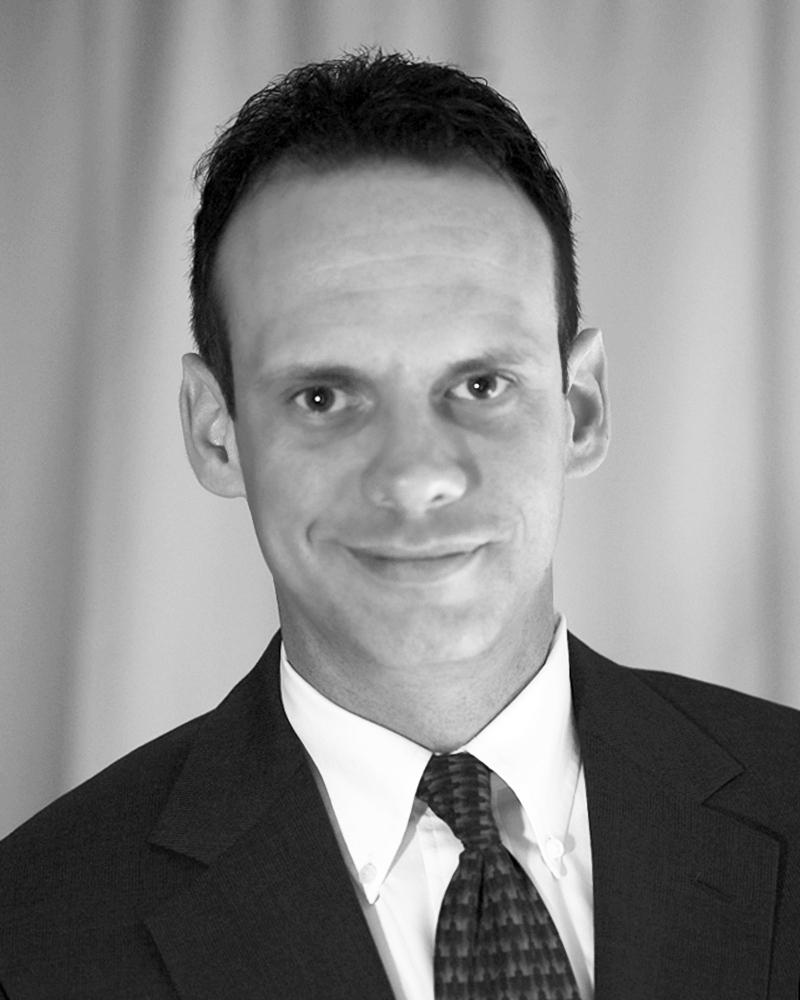
John Caravella, Esq
John Caravella Esq., is a construction attorney and formerly practicing project architect at The Law Office of John Caravella, P.C., representing architects, engineers, contractors, subcontractors, and owners in all phases of contract preparation, litigation, and arbitration across New York and Florida. He also serves as an arbitrator to the American Arbitration Association Construction Industry Panel. Mr. Caravella can be reached by email: [email protected] or (631) 608-1346.
The information provided on this website does not, and is not intended to, constitute legal advice; instead, all information, content, and materials available on this site are for general informational purposes only. Readers of this website should contact their attorney to obtain advice with respect to any particular legal matter. No reader, user, or browser of this site should act or refrain from acting on the basis of information on this site without first seeking legal advice from counsel in the relevant jurisdiction. Only your individual attorney can provide assurances that the information contained herein – and your interpretation of it – is applicable or appropriate to your particular situation. Use of, and access to, this website or any of the links or resources contained within the site do not create an attorney-client relationship between the reader, user, or browser and website authors, contributors, contributing law firms, or committee members and their respective employers.